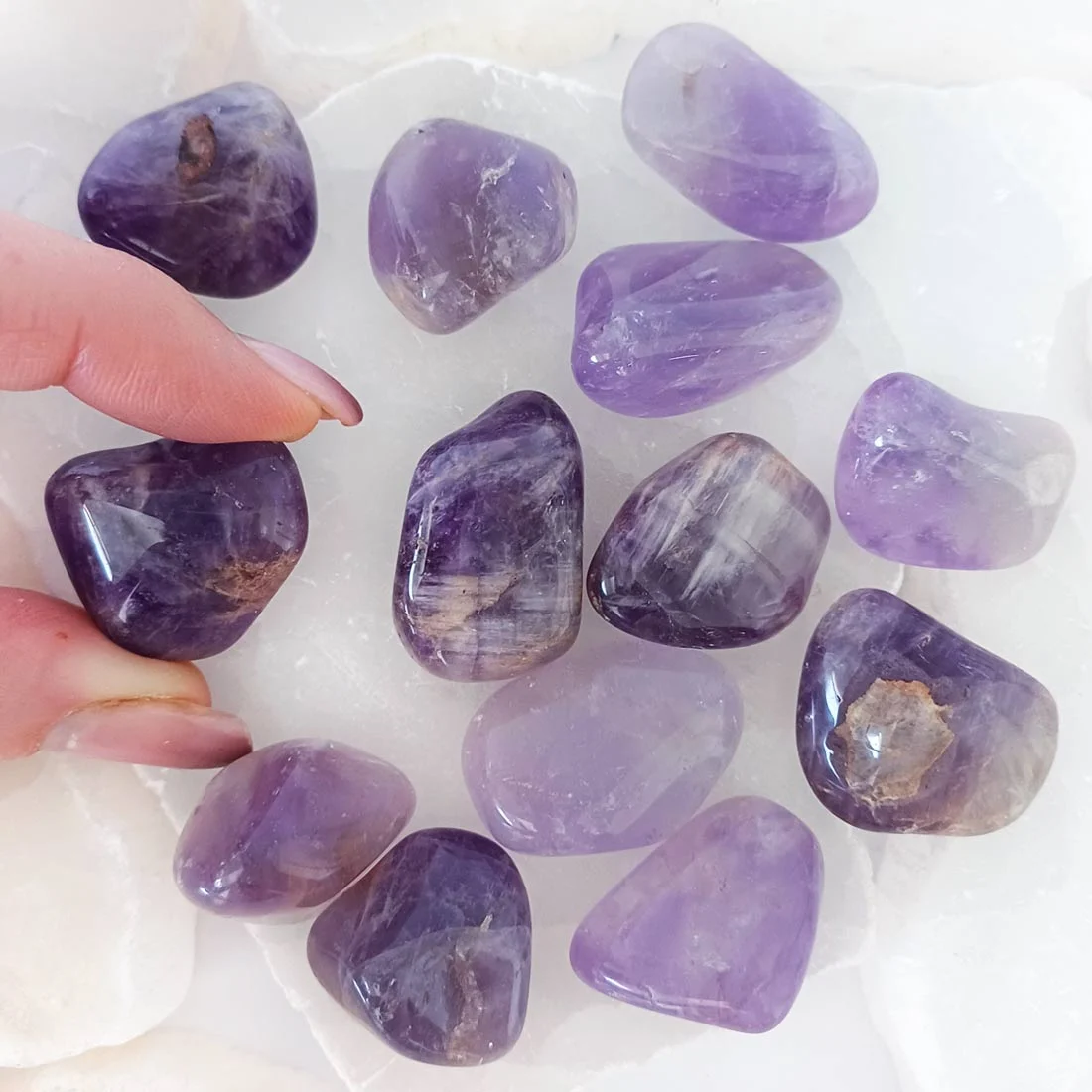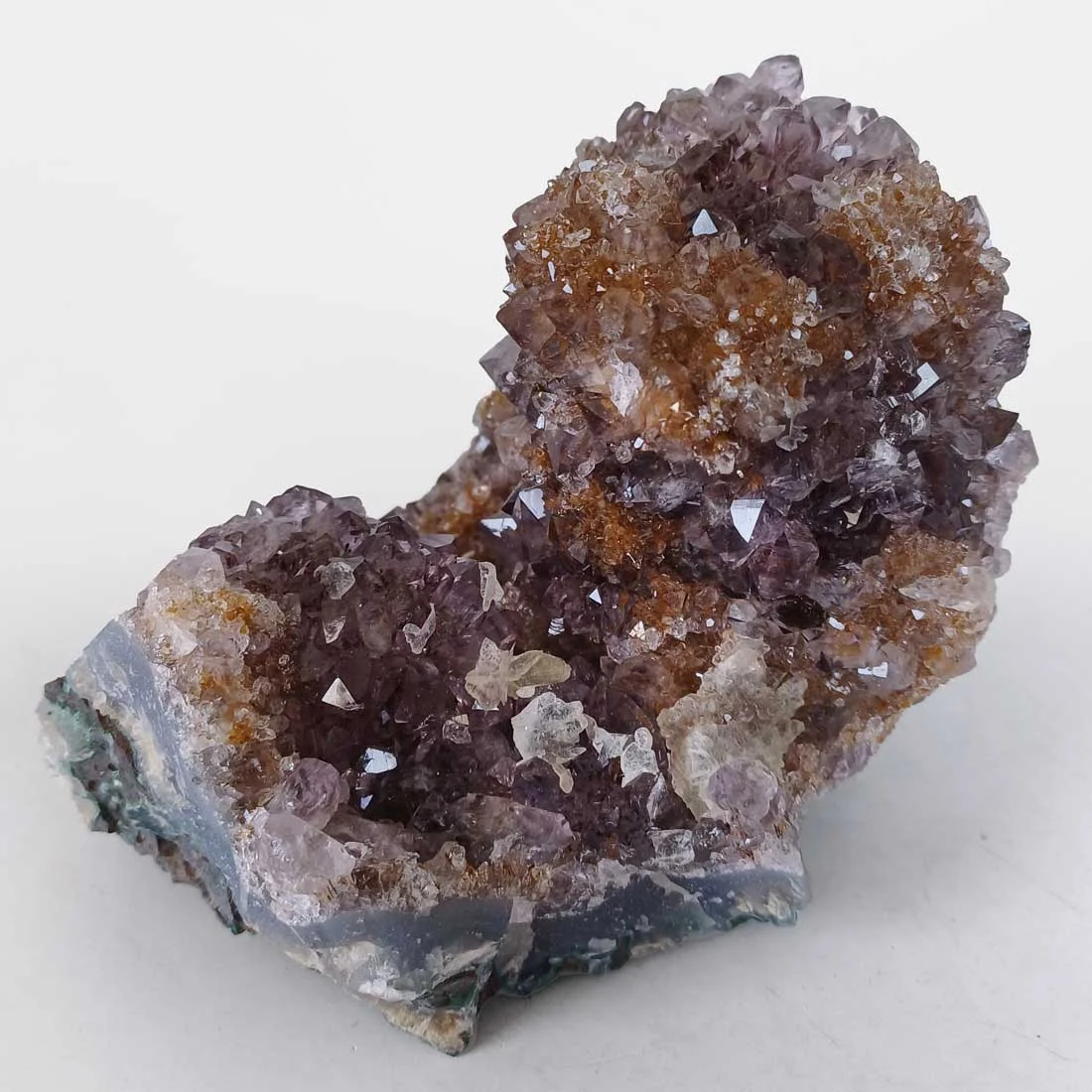
Amethyst Cluster with Citrine and Pine Formations – Brazil, 0.342 g
€32.00
A unique Amethyst cluster featuring natural Citrine coloration and unusual pine-like mineral formations. This eye-catching Quartz specimen combines rich purple crystals with golden tones, making it a distinctive addition to any crystal collection, display space, or meditation area.
Dimensions
ight 6.8 cm, Width 9 cm, Weight 0.342 g
Unique piece
Availability: 1 in stock
Share Amethyst Cluster with Citrine and Pine Formations – Brazil, 0.342 g to:
This Amethyst cluster with Citrine and Pine formations comes from Brazil, one of the world’s leading sources of high-quality Amethyst. It features naturally formed Amethyst crystal points growing together on a shared matrix, accompanied by warm golden Citrine coloration and distinctive pine-like mineral formations that create additional visual interest.
Please note that this listing is for one Amethyst cluster with Citrine and Pine formations. The photographs represent the quality, color, and formation available. You will receive one specimen similar to those shown.
The combination of purple Amethyst, golden Citrine tones, and unique natural formations makes this piece an attractive display specimen for a shelf, desk, altar, meditation area, or mineral collection. In addition, Amethyst remains one of the most recognized and collected crystals worldwide due to its appearance and long history of use.
Physical Properties of Amethyst and Citrine
Amethyst and Citrine are both crystal varieties of Quartz composed primarily of silicon dioxide. Amethyst develops its purple coloration through natural geological processes involving trace elements and exposure to natural radiation, while Citrine displays yellow to golden hues resulting from natural heating processes and mineral inclusions.
With a hardness of 7 on the Mohs scale, Quartz crystals are relatively durable and suitable for display and collecting. Over millions of years, these crystals form inside volcanic cavities where mineral-rich solutions allow the growth of the crystal points seen in Amethyst clusters.
Many people ask, “What is Amethyst used for?” Besides collecting and display, Amethyst is commonly used in jewellery, decorative objects, mineral collections, and educational studies related to geology and mineralogy.
Others ask, “What is Citrine used for?” Citrine is also popular in jewellery, crystal collections, decorative displays, and mineral exhibits due to its bright golden color and association with abundance in crystal traditions.
Metaphysical Properties of Amethyst and Citrine
Amethyst is often associated with calmness, emotional balance, mental clarity, and spiritual growth. Therefore, it is frequently used during meditation, mindfulness practices, and moments of quiet reflection.
Citrine is traditionally associated with positivity, confidence, creativity, and personal motivation. As a result, many crystal enthusiasts combine Amethyst and Citrine to support both spiritual awareness and uplifting energy.
Many people also ask, “What are the benefits of Amethyst and Citrine together?” In crystal traditions, this combination is believed to balance peaceful reflection with positive action, encouraging both clarity and optimism.
Some practitioners place Amethyst and Citrine specimens in living spaces, offices, or meditation areas to promote a harmonious atmosphere. However, these metaphysical associations are based on traditional beliefs and are not scientifically proven.
Chakra Association
Amethyst is primarily associated with the Crown Chakra and the Third Eye Chakra.
The Crown Chakra is linked with spiritual awareness, higher consciousness, and connection to universal energy. Meanwhile, the Third Eye Chakra is associated with intuition, insight, perception, and inner wisdom.
Citrine is commonly associated with the Solar Plexus Chakra, which is connected with confidence, personal power, motivation, and self-expression.
As a result, this combination is often chosen for practices focused on both spiritual development and personal empowerment.
Display and Care
This Amethyst cluster with Citrine and Pine formations can be displayed in a living room, office, crystal collection, or meditation space. To help preserve its natural color, avoid prolonged exposure to direct sunlight.
Clean with a soft cloth. Avoid harsh chemicals. Store in a dark, dry, cool place when not in use.
leading sources of high-quality Amethyst. It features naturally formed crystal points growing together on a shared matrix, creating the characteristic cluster formation that collectors and crystal enthusiasts appreciate.
Please note that this listing is for one Amethyst cluster. The photographs represent the quality, color, and formation available. You will receive one cluster similar to those shown.
Its natural purple coloration makes it an attractive display piece for a shelf, desk, altar, or meditation area. In addition, Amethyst remains one of the most recognized and collected crystals worldwide due to its appearance and long history of use.
Physical Properties of Amethyst
Amethyst is a crystal variety of Quartz composed mainly of silicon dioxide. The purple color develops through natural geological processes involving trace elements and exposure to natural radiation during formation.
With a hardness of 7 on the Mohs scale, Amethyst is relatively durable and suitable for display and collecting. Over millions of years, crystals form inside volcanic cavities where mineral-rich solutions allow the growth of the distinctive crystal points seen in Amethyst clusters.
Many people ask, “What is Amethyst used for?” Besides collecting and display, Amethyst is commonly used in jewellery, decorative objects, mineral collections, and educational studies related to geology and mineralogy.
Metaphysical Properties of Amethyst
Amethyst is often associated with calmness, emotional balance, mental clarity, and spiritual growth. Therefore, it is frequently used during meditation, mindfulness practices, and moments of quiet reflection.
Many people also ask, “What are the benefits of Amethyst?” In crystal traditions, Amethyst is believed to encourage clear thinking and support a peaceful environment. Additionally, it is often used by those seeking greater focus, self-awareness, and spiritual development.
Some practitioners place Amethyst clusters in living spaces or work areas to create a calming atmosphere. However, these metaphysical associations are based on traditional beliefs and are not scientifically proven.
Chakra Association
Amethyst is primarily associated with the Crown Chakra and the Third Eye Chakra.
The Crown Chakra is linked with spiritual awareness, higher consciousness, and connection to universal energy. Meanwhile, the Third Eye Chakra is associated with intuition, insight, perception, and inner wisdom.
As a result, Amethyst is commonly chosen for meditation practices and spiritual work focused on awareness and personal growth.
Display and Care
This Amethyst cluster can be displayed in a living room, office, crystal collection, or meditation space. To help preserve its natural color, avoid prolonged exposure to direct sunlight.