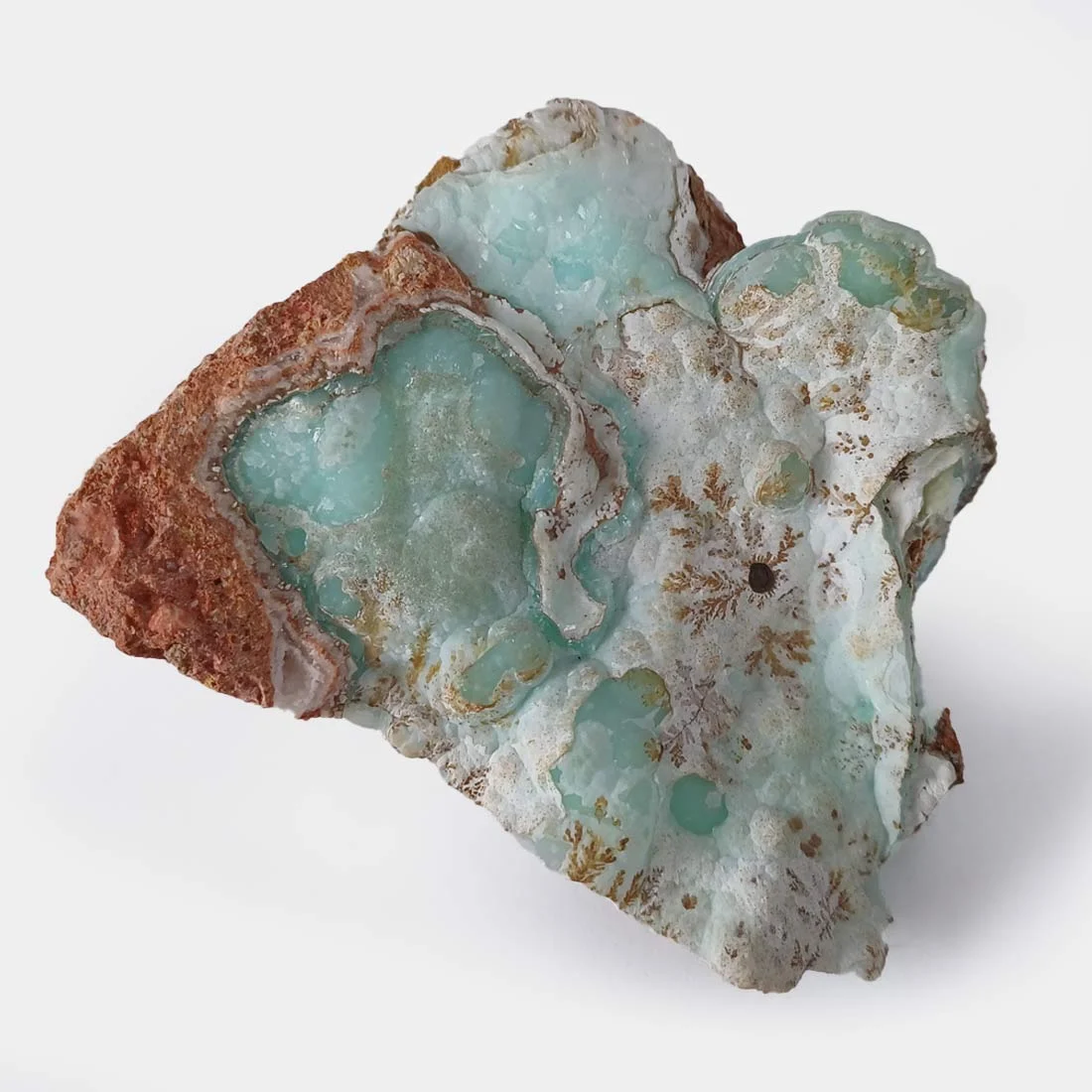
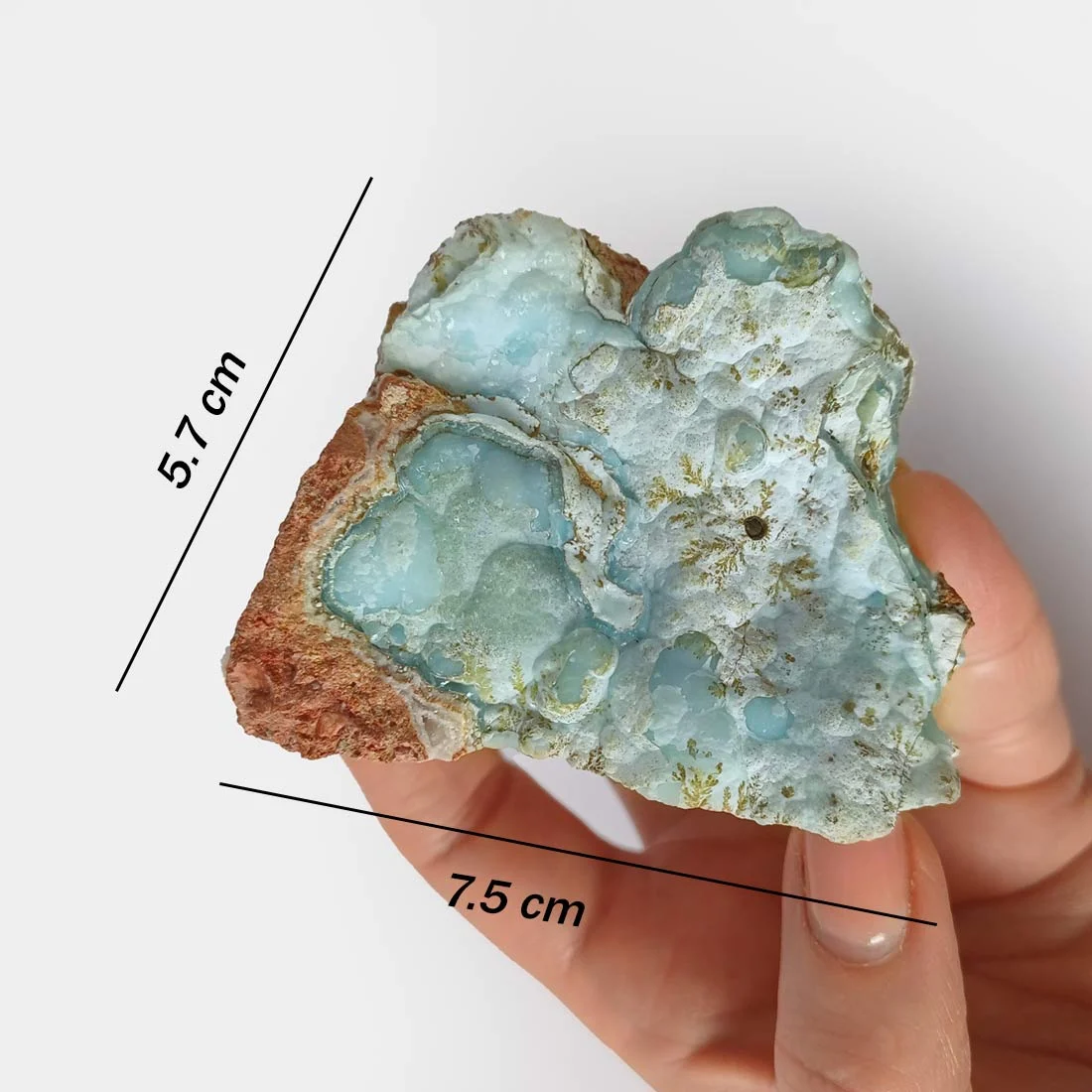
Smithsonite from the historic Lavrio Mines is a carbonate mineral associated with secondary zinc deposits. The Lavrio mining district in Greece is well known among mineral collectors because it has produced a large variety of collectible minerals for many years.
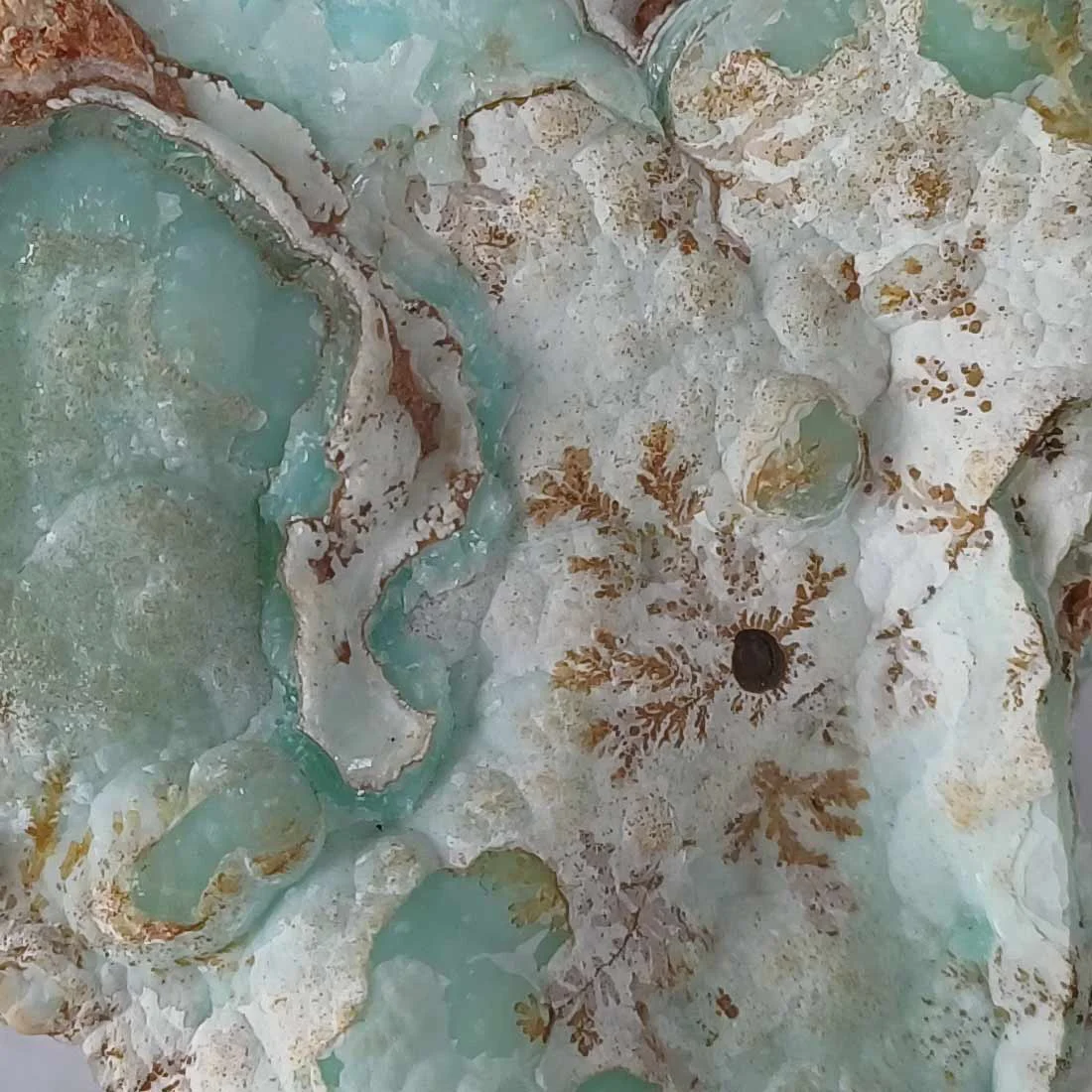
This specimen displays the natural growth patterns commonly seen in Lavrio material. Depending on the individual piece, it may feature botryoidal formations, layered mineral growth, textured crystalline surfaces, and a visible dendritic inclusion formed naturally during mineral development inside the host rock.
Dendritic inclusions are valued by many collectors because they create branch-like natural patterns within or across the mineral surface. These formations develop through mineral-rich fluids over long geological periods, making each specimen visually distinct.
Collector Value
Lavrio minerals remain important in European mineralogy due to the region’s long mining history and limited availability of older material. Because of this, Smithsonite specimens from Lavrio are often collected for locality collections, carbonate mineral collections, and geological displays.
Many collectors ask what makes Lavrio Smithsonite desirable. In most cases, the locality itself adds value because identifiable specimens from historic mining districts become harder to source over time. Natural surface texture, dendritic patterns, formation quality, and mineral coverage also contribute to collector interest.
This specimen works well as a display mineral for collectors interested in Greek minerals, historic mining regions, and naturally formed carbonate minerals.
Physical Characteristics
Smithsonite is a relatively soft mineral compared to many crystalline stones. It commonly forms rounded or botryoidal surfaces and may appear in soft green, blue, grey, beige, or earthy tones depending on mineral content and formation conditions.
The dendritic inclusion adds additional natural detail to the specimen and highlights the geological processes involved in its formation.
Each specimen is naturally unique. Variations in color, texture, shape, matrix, and dendritic patterning are expected because the mineral developed underground over long geological periods.
Metaphysical Properties
In metaphysical practices, Smithsonite is associated with emotional balance, calming energy, and gentle grounding. Many people ask what Smithsonite crystal is used for spiritually. It is often kept in meditation spaces or personal crystal collections by those who believe it supports relaxation, emotional healing, and reflective practices.
Some crystal practitioners also associate Smithsonite with reducing emotional tension and encouraging inner calm during periods of stress.
Care Instructions
Because Smithsonite is a softer mineral, careful handling is recommended. Avoid prolonged exposure to moisture